
Start with the situation, not the biggest box
A cupboard reserve for a power cut has different requirements from food carried on foot. Decide where the food will be kept, who will eat it and whether you will have safe water and a way to heat it.
- For home: familiar, shelf-stable food that needs little preparation.
- For travel: manageable weight, simple packaging and food you can eat on the move.
- For a workplace: quantities by shift, dietary requirements and a named person responsible for stock.
Read beyond the serving count
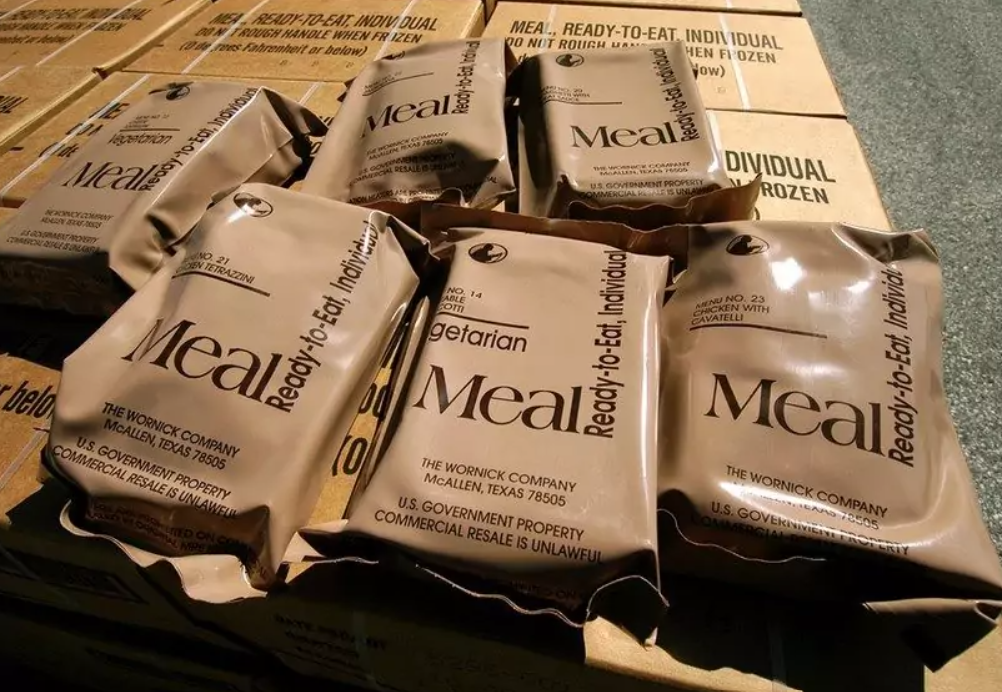
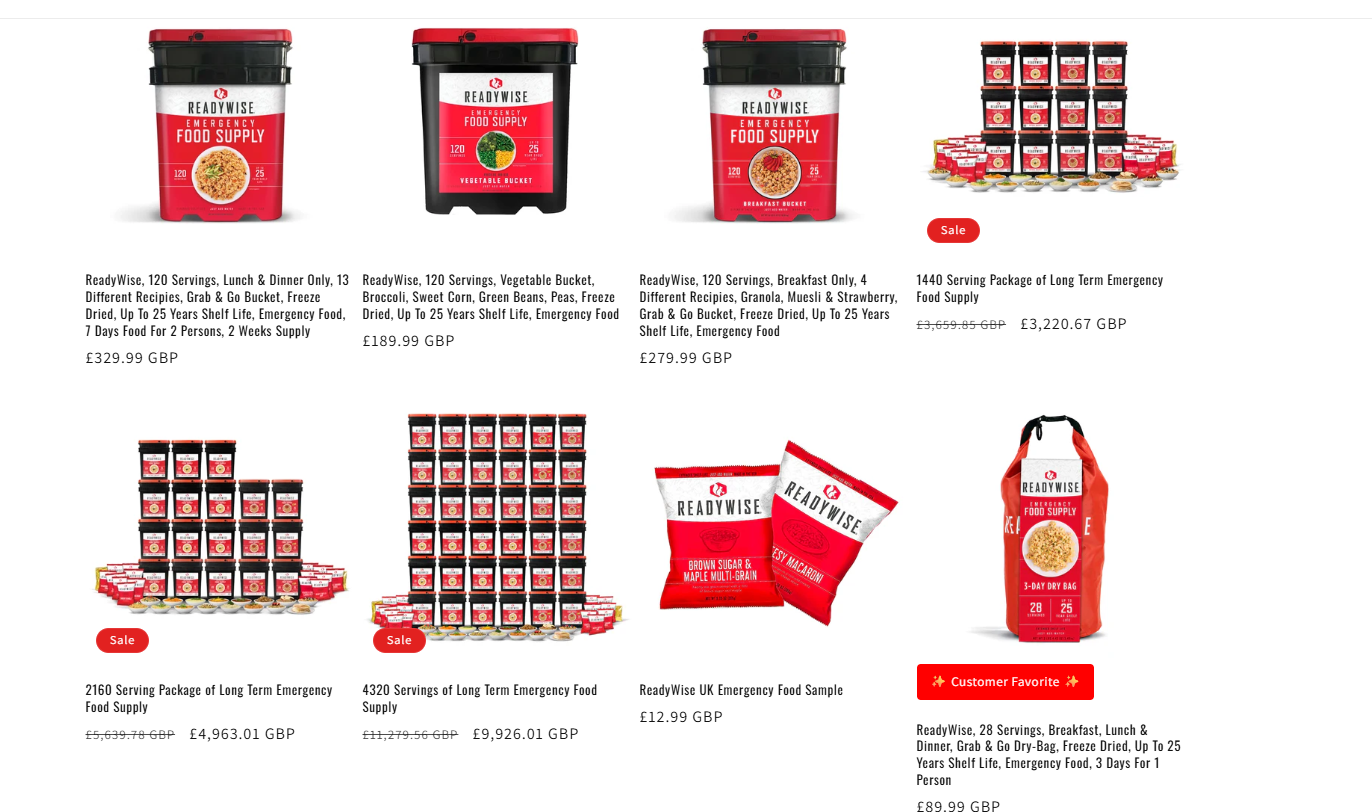
A serving is a manufacturer’s portion, not necessarily a complete meal. Compare total calories, ingredients, preparation water and the number of portions you would actually eat. A large bucket of side dishes is not equivalent to a mixed meal pack.
Build a usable reserve
Try a small quantity before committing to a large order. Check that people like the food and can open and prepare it with the equipment available. Keep food that needs no cooking as part of the plan.
- Check allergens on the actual product label.
- Ask for the remaining shelf life of the stock being supplied.
- Include a manual tin opener where needed.
- Confirm minimum order quantities and the delivered total.
Choose the next step
Browse the relevant ranges below. If you need several cases or a mixed order, send your headcount, intended duration and delivery postcode with the enquiry. Those details make a quote useful.
Sources and further reading
Product instructions and current local emergency advice take priority over general planning guidance.
Explore the relevant supplies
Ordering for a team? Send your headcount, duration and delivery postcode.